
Nanobubbles enhance Oil Production for Cannabis Growers
Nanobubbles Enhance Oil Production for Cannabis Growers & Faster Growth of Clones ~ Reports from our US partners
Skills Needed:
Tags:
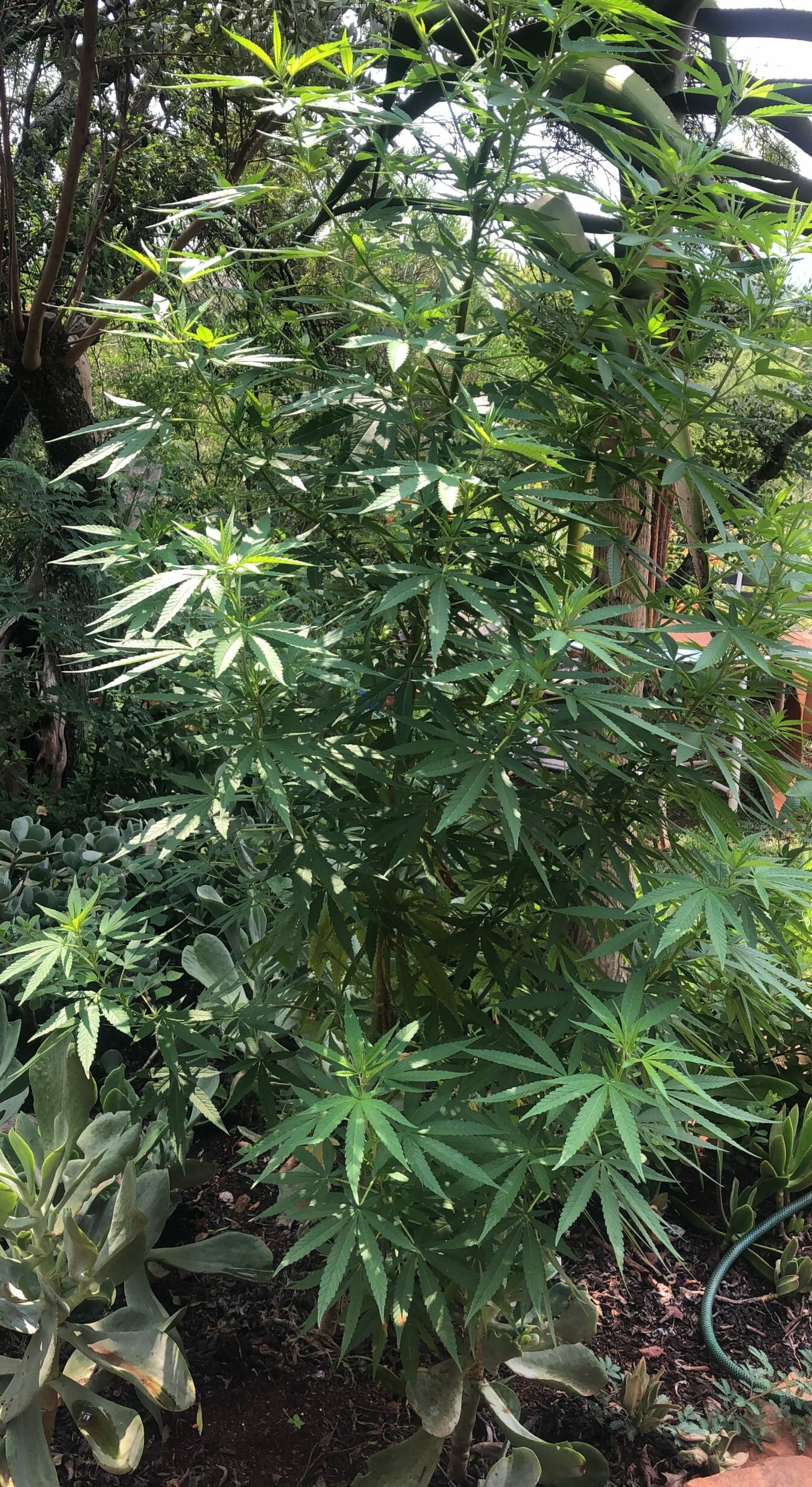
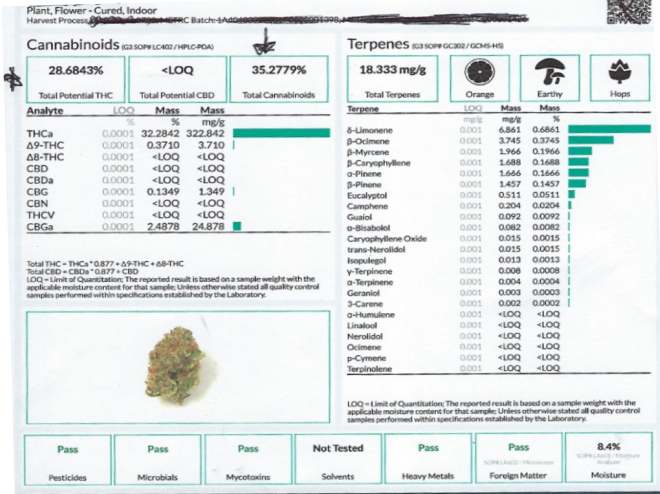
By incorporating nanobubbles into water treatment and fertigation systems for cannabis cultivation, growers can anticipate numerous benefits. Regardless of whether oxygen, carbon dioxide, or air is used as the gas source, the introduction of nanobubbles promotes healthier plants, reduces disease, accelerates growth rates, shortens growth cycles, and increases dry weight, all while maintaining excellent oil quality and yielding higher crop quantities (up to 30% more).
Essentially, nanobubble technology is integral to efficiently managing the ecosystem that supports optimal plant and bacterial growth and development, resulting in reduced rates of mildew and pest invasion.
Nanobubbles help to enhance the quality or “energy of water” by activating minerals and fostering biological activity, which aids in the absorption of essential macro- and micronutrients by roots and bacteria. Supplying dissolved gases in the form of nanobubbles fulfills the oxygen and carbon dioxide requirements of plants, contributing to their overall healthy physiological state, and resulting in reduced rates of mildew and pest invasion.
For situations requiring CO2 supplementation, CO2 nanobubbles offer an attractive alternative, providing a more efficient approach while also reducing energy costs. Additionally, using nanobubble-treated water can lead to significant cost savings on nutrient mixes, with up to 30% less fertigation mix required.
Various cultivation systems, including hydroponics, aquaponics, Dutch pot media, and open-air soil, can benefit from nanobubble technology. Regardless of the system employed, water undergoes filtration and sterilization processes before being treated with nanobubbles to ensure optimal growing conditions.
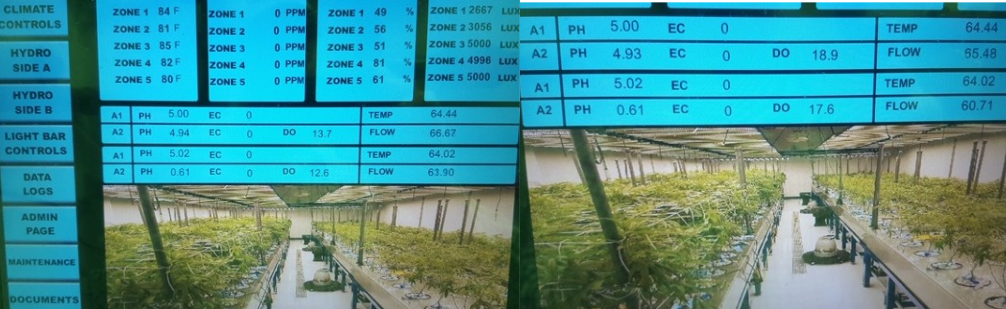
In hydroponic setups, where dissolved oxygen (DO) levels are critical, nanobubble-treated water is carefully managed to maintain optimal DO levels and prevent issues such as root rot. Continuous monitoring of DO levels helps growers maintain healthy plants and maximize nutrient absorption, ultimately leading to higher yields.