
The Phenomena(l), Nanobubbles
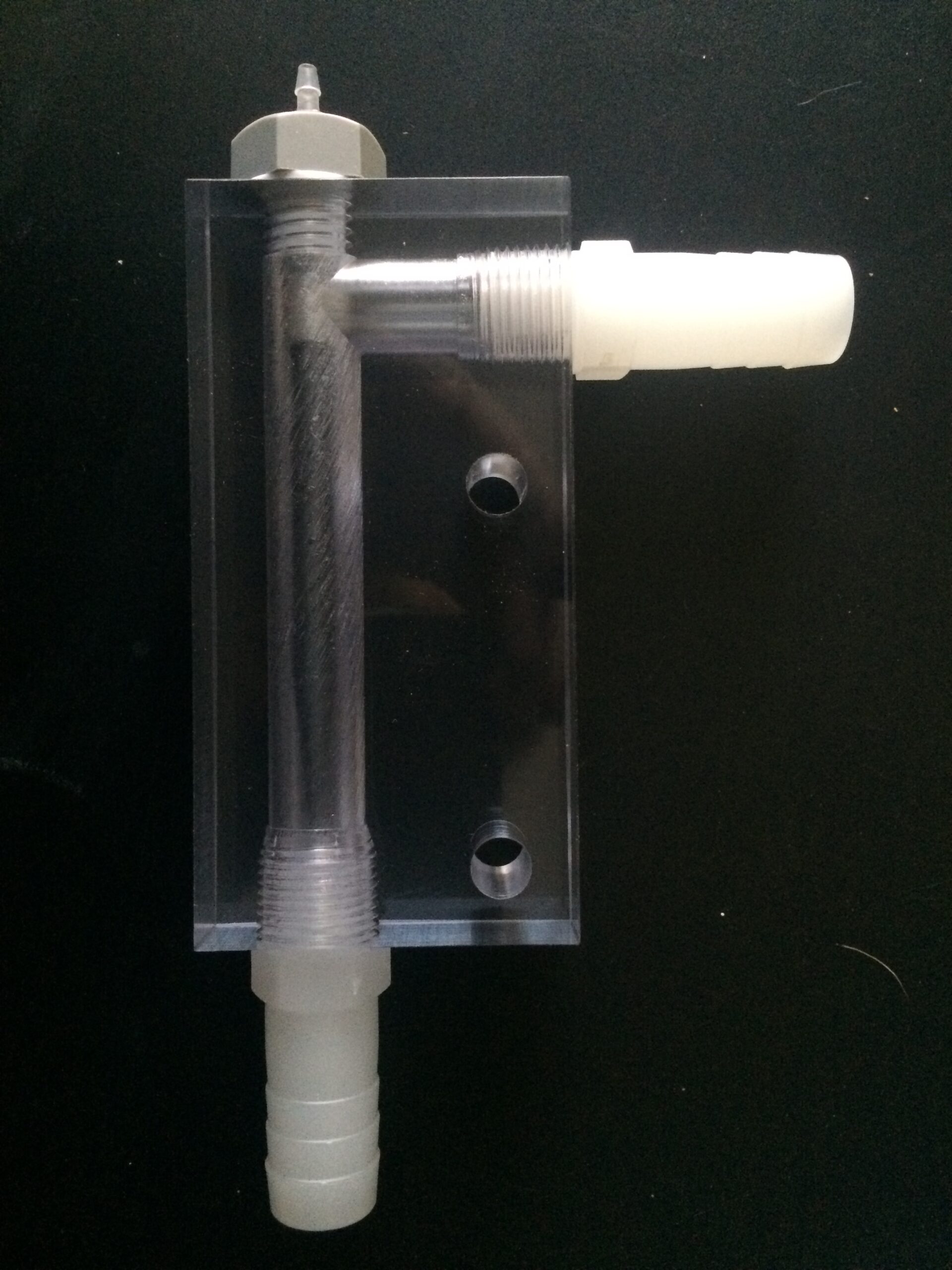
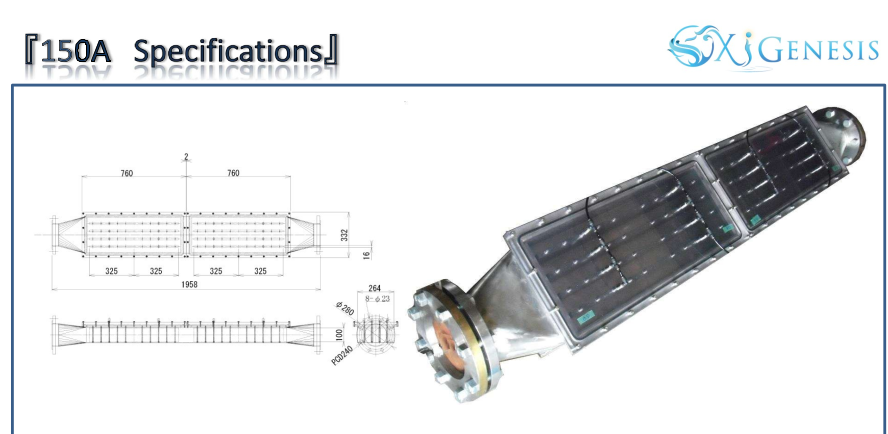
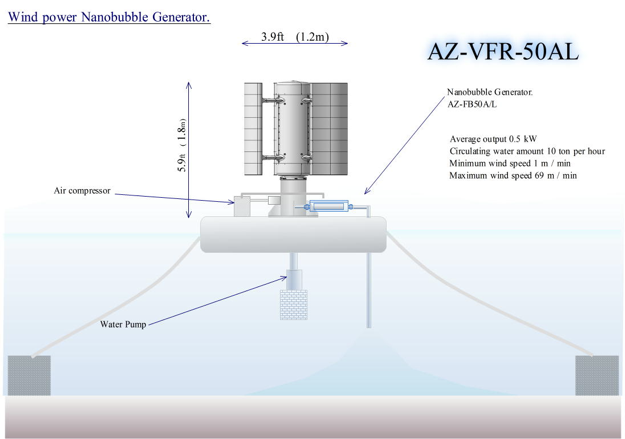
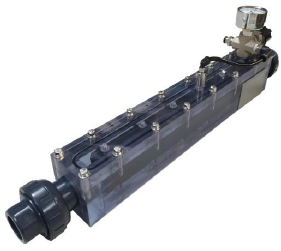
The application and unique properties to nanobubbles. Our in-flow and propeller type nanobubblers help to save energy consumption, help to further optimize processes, increase in plant and fish health, resilience and growth benefiting food growers and help to reduce the need for additional chemicals typically used.
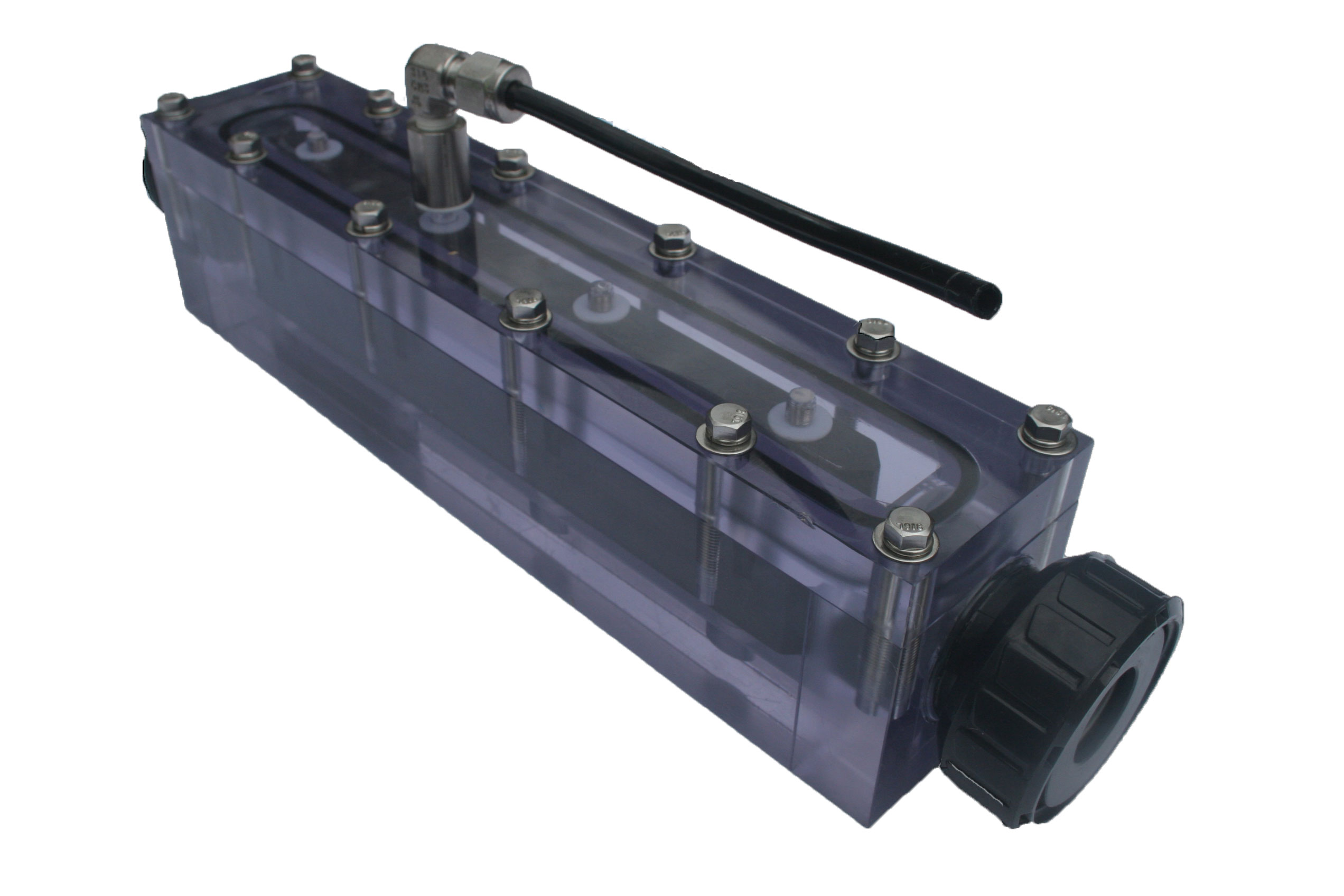
Nanobubbles exhibit unique behaviors in fluid environments in comparison to larger bubbles, particularly in water where they demonstrate remarkable stability. They can last for extended periods ranging from days to even months, provided the gas-consuming is not being used in the system. They disperse evenly throughout the fluid and can even sink to the bottom of bodies of water such as lakes. Nanobubbles, often referred to as ultra-fine bubbles, are bubbles that are nano-sized in scale.
Applications for nanobubbles: Five main categories
Nanobubbles exhibit diverse applications, underscoring the importance of categorizing nanobubble applications into five primary sectors.
- Aeration: Nanobubbles offer a highly efficient means of gas transfer, with a transfer efficiency exceeding 90%.
- Nanotechnology: They function akin to nanoparticles, acting as absorbents that can then deliver absorbed materials or minerals to specific target sites.
- Advanced oxidation: Redox chemistry plays a vital role in numerous applications. Ultra-dense nanobubbles play a significant role in generating free radicals, which hold relevance in various physiological states. However, it’s crucial to consider context, especially in biological applications. In other words, the intended effect of adding more or removing free radicals depends on the system’s redox status.
- Fluid Dynamics: Nanobubbles can be used to reduce drag, increase evaporation rates, and clean surfaces. Nanobubbles can change the thermal properties of fluids or materials,
- Electrochemistry: This is a relatively new area, highlighting the ongoing potential for innovation and exploration in this field.
By strategically leveraging nanobubbles across these five main functions, businesses and industries can unlock a wide range of opportunities for innovation, efficiency improvement, and sustainable development.
The unique phenomena of nanobubbles
It’s crucial to highlight that the unique phenomena associated with nanobubbles primarily occur in bubbles measuring 50 micrometers in diameter or smaller. At OxiGenesis, we’re at the forefront of innovating in this field, particularly for research and commercial applications.
The remarkable characteristics of nanobubbles include:
- Longevity: They exhibit exceptional stability, remaining intact for extended periods ranging from days to even months, provided the gas is not being consumed.
- Surface Charge: Nanobubbles possess a surface charge, with the degree of charge measured as the Zeta Potential. This charge can be positive or negative, though negative charges are more common.
- Production of Free Radicals: Nanobubbles produce free radicals, predominantly hydroxyl radicals, although ultra-dense nanobubbles produce free radicals slowly and passively, whereas through physical stimulation the cavitation produces radicals instantaneously.
- Lack of Buoyancy: Nanobubbles do not exhibit buoyancy, allowing them to disperse evenly throughout a fluid, reaching even challenging areas such as the bottom of lakes and harbors.
- Alteration of Fluid Properties: They can modify fluid surface tension and thermodynamic properties, further enhancing their practical applications.
The sectors that benefit from nanobubble technology include mining, land and water remediation, agriculture, aquaculture, medicine, cleaning services, spas, food processing plants, wastewater treatment services and facilities, and so much more…
At OxiGenesis, in collaboration with our partners, we are committed to providing commercial businesses with the opportunity to explore this technology and discover the optimal solutions tailored to their objectives. Leveraging our expertise, OxiGenesis pioneers innovative applications of nanobubble technology to address challenging issues, aiding businesses in maintaining sustainability and compliance standards.